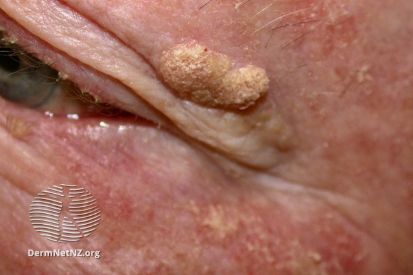
Is Your Mole Benign Or Cancerous? When To See A Dermatologist
Skin Cancer Cells Vs Benign Moles: How To Tell The Difference Many moles can dim after exposure to the sunlight, however it is necessary to note that these moles are not precancerous lesions. Rather, they are just the result of melanocytes, or gathered cells in the skin, that produce the darker pigmentation. If you have any lesions on your skin that you can't discuss, it's important to see a doctor.
When To Look For Clinical Recommendations
When captured early, most skin cancers cells are extremely treatable and often curable. When individuals notice a new or transforming area on their skin, among the first points they do is touch it. When any development appears dubious or if your dermatologist is unsure of a diagnosis, they may recommend tissue sampling through a biopsy to rule certain medical diagnoses out. A lot of skin biopsies represent simple office treatments that generate important information for developing suitable therapy strategies.
While it is feasible for a dysplastic mole to turn into a cancer malignancy, the chance is really reduced.
Each kind presents differently and requires specific techniques to treatment.
Dermatology carriers make use of a number of safe and reliable techniques for the removal of skin lesions.
Basic cell carcinoma is the most common kind of skin cancer caused by sun damage.
If you see any one of the indication reviewed above, don't postpone looking for specialist assessment.
What Are Various Other Benign Skin Growths?
How to inform if a skin sore is benign?
Symmetry fit, colour and structure.Stable or slowly evolving.Absence of
spontaneous bleeding(bleeding or ulceration may be because of recent injury).
If you were birthed prior to the mid-1980s, you're much more likely to establish precancerous growths. Sunscreen had not been offered before after that, which implies individuals in this age likely seasoned destructive sun exposure at a really young age. There are several types of skin cancer, each of which can look different on the skin. This picture gallery consists of some examples of the a lot more usual kinds of skin cancer cells, as well as some other non-cancerous types of skin growths. This is why it is very important to see a medical professional if you have any kind of swellings, bumps, areas, sores, or other marks on your skin that are new or transforming, or that stress you for any type of other reason.
When Should I See My Doctor?
Each type varies Cryolipolysis Treatment by Lipo Freeze 2U Manchester in appearance and actions, which is why professional assessment is recommended before any lesion removal. Healthy moles normally have a consistent color throughout, whether brown, tan, or another color. Numerous colors or unequal circulation of color within a solitary mole can be concerning. Find out more regarding various kinds of moles and sores below. It prevails to be troubled by the appearance of a mole or experience irritation when it rubs against your clothing or grabs on fashion jewelry. Most skin moles are benign or noncancerous, but they can change in time. Limit your direct exposure to the sun's ultraviolet rays, specifically in between 10 a.m . While outdoors, freely apply a broad spectrum sunscreen with an SPF of 30 or greater (do not fail to remember the lips and ears!), wear a hat and sunglasses, and conceal with garments. And remember, if you notice changes to your skin such as a brand-new development, a mole changing look, or an aching that will not heal, see a doctor best method. If you find a mole or area that has any kind of ABCDE's of melanoma-- or one that hurts, itching, oozing, scaly, does not heal or has soreness or swelling past the mole-- see a doctor. Your physician may intend to get rid of a tissue example from the mole and biopsy it. The size and shape of the development can vary significantly, yet the majority of are a few millimeters in size. It typically takes place in fair elderly adults with a history of considerable sun exposure. Usual benign skin sores of melanocytic beginning include the ephilis, lentigo simplex, and melanocytic naevus (mole). Ask for an appointment with one of our skin oncologists to learn about your specific medical diagnosis and the next actions for therapy. People who have more than 50 usual moles are most likely to create melanoma, as are individuals with more than 5 dysplastic nevi. A family members history of skin cancer also boosts the probability of establishing melanoma. Once more, it is necessary to carry out in-depth skin tests consistently.