Menopause And Incontinence
Menopause And Incontinence
As women get in and proceed via menopause, their bodies undertake hormonal modifications, one of the most significant being a decline in the production of estrogen (the lady sex hormone). This drop in estrogen levels can make it hard for women to keep a healthy and balanced urinary system. Particular medications may help reduce symptoms of urge urinary incontinence Dicyclomine and over active bladder by relaxing the bladder muscle mass or minimizing bladder convulsions.Treatment Options For Hormonal Adjustments And Incontinence In Ladies
While you might see the first signs and symptoms during perimenopause, postmenopause is the time when urinary incontinence frequently ends up being even more recognizable, a lot more consistent, and most likely to call for energetic management. Of course, as you age, other things can create urinary incontinence. Allow's speak about what else might be occurring and afterwards find some efficient means to manage it. The bladder is a balloon like muscle that increases as it full of urine. Over time, the bladder sheds tone and it becomes harder to empty the bladder completely.- Specifically, estrogen and progesterone help support the bladder, urethra, pelvic flooring muscular tissues, and surrounding tissues that interact to control peeing.
- Your pelvic flooring muscular tissues sustain your womb, bladder, little intestine, and anus.
- Urinary urinary incontinence (UI) is also known as "loss of bladder control" or "involuntary urinary system leakage." Numerous ladies experience it, and the regularity of UI often tends to boost as you age.
- If left neglected, urinary system incontinence can worsen and can reduce your quality of life.
- The influence of UI throughout menopause expands far past the physical signs and symptoms.
Can Bowel Irregularity Make Bladder Issues Even Worse? Urgency, Stress, And Regularity Described
Urinary incontinence might also happen if there is an issue with the nerves that manage the bladder muscles and urethra. Urinary system urinary incontinence can indicate you leakage a small amount of urine or release a great deal of pee at one time. Most individuals think of estrogen as the sex hormone that plays a significant role in durations and pregnancy.
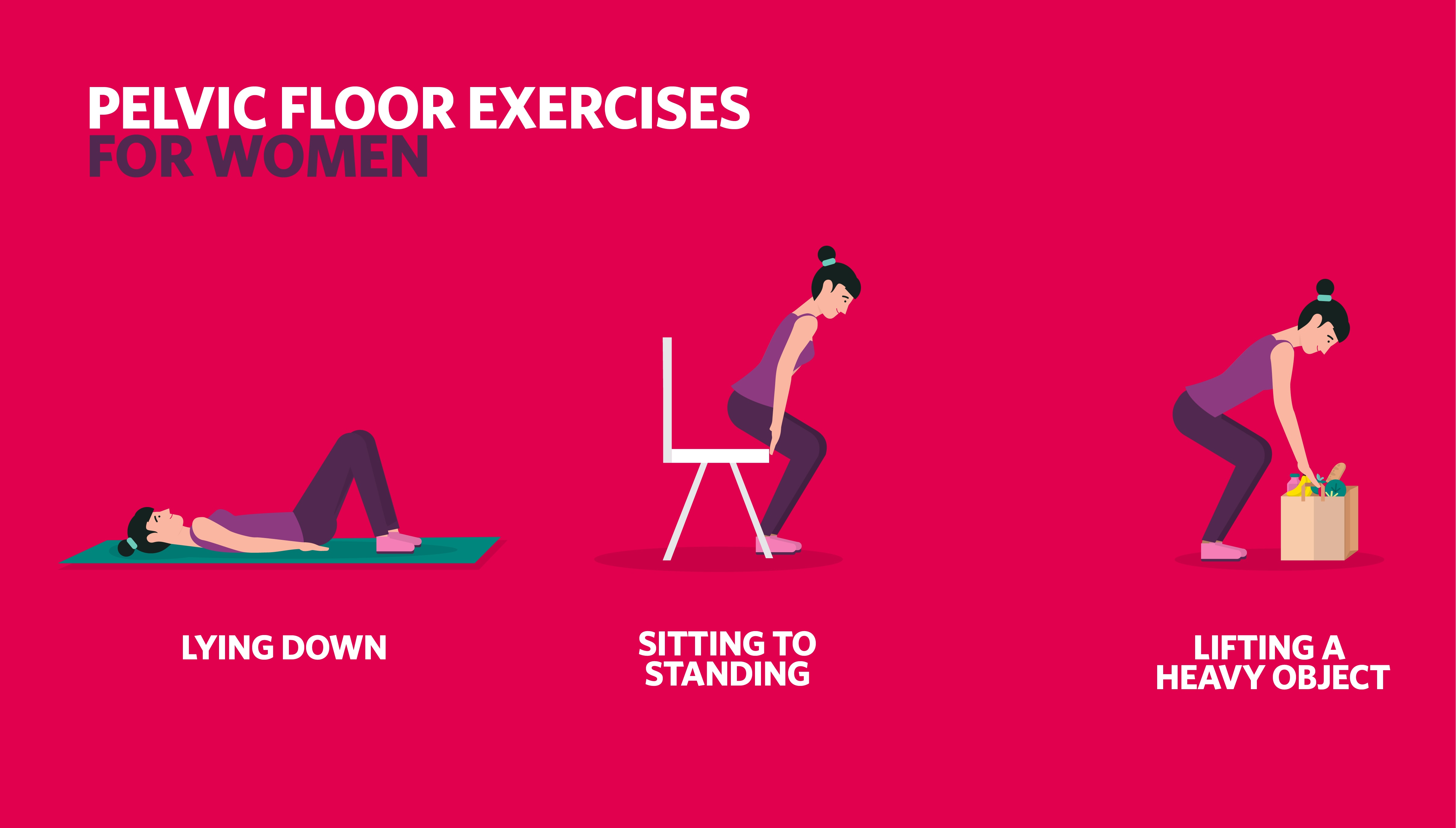
Since hormone urinary incontinence can influence females in a different way, collaborating with a doctor can assist establish the most effective therapy strategy based upon specific signs and symptoms and health requirements. For added assistance, Byram Medical care provides a variety of top quality incontinence items made to assist you handle bladder leakage comfortably and quietly. From genital estrogen to non-hormonal medications, pelvic flooring therapy, or in-office procedures like Click here! Botox shots or electrical stimulation, you have choices. Taking care of incontinence might take some time, yet with the ideal support and treatment, many people locate genuine alleviation. Menopause may bring difficulties, but it can also be a time to prioritize your well-being and really feel much more in control. Leading up to perimenopause, estrogen plays an essential role in maintaining the bladder and pelvic flooring solid.
Preventive Approaches And Lifestyle Adjustments
